

Why Do Windows Sweat? How to Stop Condensation
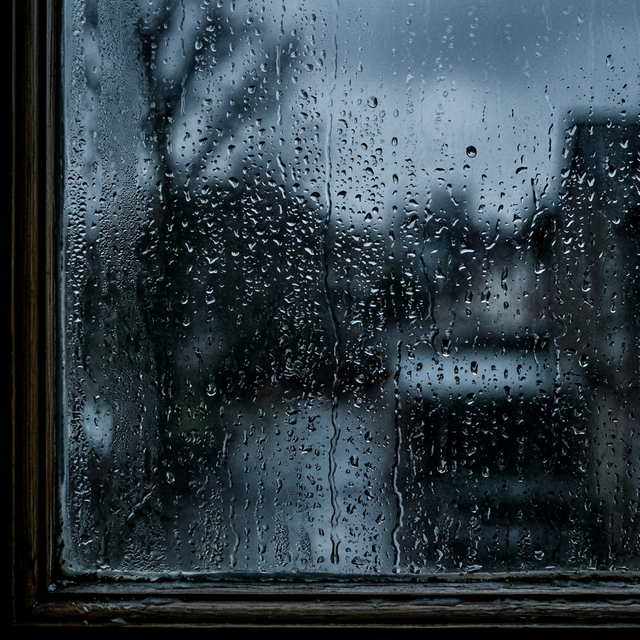
Condensation is perhaps the #1 complaint Bulgarian homeowners have during the winter months. Seeing droplets of water on your brand-new windows can be frustrating and worrying. However, contrary to popular belief, “sweating” windows doesn’t necessarily mean the product is defective or the installation was poor. In 95% of cases, it is simply the result of a scientific process related to the “Dew Point.”
What is the “Dew Point”?
In simple terms, condensation occurs when warm, moist air inside a room comes into contact with a surface that is significantly colder (the glass or the profile). Air has the capacity to hold moisture in the form of vapor. The warmer the air, the more moisture it can hold. When this air cools rapidly to a certain temperature (the dew point), it can no longer hold the vapor, and it liquefies, forming the droplets you see on the glass.
The Three Main Causes of the Problem
1. The “Airtight Box” Effect
Modern, high-quality uPVC windows (like those from REHAU) are designed to be extremely airtight for maximum energy efficiency. While this is great for your heating bill, it stops the natural, passive air exchange that older wooden windows provided through their gaps. Without regular manual ventilation, your home becomes a sealed container where humidity builds up with every passing minute.
2. Internal Sources of High Humidity
Every day, liters of water vapor are generated inside our homes:
- Cooking and Bathing: A single cooking session can add over 2 liters of moisture to the air.
- Drying Clothes Indoors: This is the single biggest source of humidity in winter—up to 4-5 liters of water per laundry load.
- Plants and Aquariums: These constantly release moisture into the environment.
- Inhabitants themselves: Through breathing and sweating, a person releases about 1.5 liters of water per 24 hours.
3. Glass Units with Low Surface Temperature
If you have an older or basic double-glazed unit, the internal pane of glass becomes very cold during winter nights. This is worsened if you lack a “Warm Edge” spacer bar, which breaks the thermal bridge at the edges of the glass unit. This is exactly why condensation usually starts at the edges of the glass—the coldest zone of the window.
How to Stop the “Sweating” for Good
Master “Shock” Ventilation
Forget about leaving the window in a “tilt” position for hours. This only cools down the walls and wastes energy. The correct method is to open all your windows wide for 5-10 minutes three times a day. This “shock” ventilation replaces the humid, heavy air with fresh, dry outside air. Dry air heats up much faster, meaning you won’t lose your indoor temperature, but you will lose the humidity.
Upgrade to Triple Glazing
A triple-glazed unit with Low-E glass keeps the internal pane of glass much warmer. Often, its surface temperature is 5-7 degrees higher than that of double glazing under the same conditions. This keeps the glass surface above the dew point and prevents condensation from forming automatically.
Micro-ventilation and Automatic Valves
Ask your supplier about hardware with “Micro-ventilation” functionality. This allows the sash to sit just 2-3 mm away from the frame while remained locked, providing a minimal but constant flow of air. Another modern solution is humidity-regulated ventilation valves (like Aereco), which are installed on the window frame and open automatically when humidity levels rise inside the room.
Track Humidity with a Hygrometer
Buy a simple digital hygrometer. The ideal humidity level for a healthy home during winter is between 40% and 50%. Anything over 60% is a guaranteed recipe for condensation and eventual mold growth.
Understanding the balance between perfect insulation and the need for fresh air is the key to a dry and healthy home. If you’re struggling with persistent moisture despite these measures, contact СОФ ДИЗАЙН for a free professional consultation. We will help you find the right technical solution for your specific situation.